Automatic Weight Loss
Habits trump willpower


We often think that we are in control of the decisions that we make, but behavioral psychology suggests otherwise. The Nobel Prize winning work of Daniel Kahneman and Richard Thaler in behavioral economics showed that humans are, as Dan Ariely put it, Predictably Irrational. Consider organ donation rates. In Germany there is about a 12% rate of organ donation. In neighbouring Austria, that rate is 99%. In Denmark the rate is 4% and in neighbouring Sweden it is 89%. The Danes and Swedes are very much similar in almost all respects, so why the huge discrepancy? The answer is that in Denmark, you check the box if you would like to opt into the organ donor program. In Sweden, you check the box if you would like to opt out of the organ donor program.
The difference does not lie in the people or their values. The difference is the default state. For the same reason, I signed up for a free trial of Amazon Prime, and was automatically enrolled. Long after it ceased to be beneficial for me, I’m still a member. This phenomenon, of course, is well known. If a problem is too complex or overwhelming, then inertia takes over. When we don’t know what to do, we simply take the choice that’s already been made for us.
Complexity is the enemy of execution. As Tony Robbins writes “Knowing information is not the same as owning it and following through. Information without execution is poverty. Remember: we’re drowning in information, but we’re starving for wisdom”.

It’s the Environment, not the Individual
So, how is weight loss automatic in the 1970s and weight gain automatic in the 2000s? The problem is not the people, the problem is the ‘system’ or ‘default’. The biggest issue is that we see obesity as a ‘people’ problem, instead of a ‘system’ problem. For example, if more people are obese today than in the 1970s, then people today have less willpower. Does that even make any sense? This is what leads to ‘fat-shaming’.
So, the major difference between the 1970s and today is that the default today is ‘eating’ where the default in the 1970s is ‘not eating’. This, just like the organ donation issue, has overwhelming implications. In the 1970s, people would eat 3 times per day on average — breakfast, lunch and dinner. So people didn’t snack because that was something that just wasn’t done regularly. It took special effort to go out and get that snack. You didn’t eat in the office. You didn’t eat at your computer. You didn’t eat in the car. And most importantly, you didn’t think that snacking was something that was either necessary and definitely not healthy. Three square meals per day was the understood norm. Not six not-so-square meals per day. You ate until you were full. You didn’t eat until you were clearly not full, but at some predetermined calorie amount.
It did not take any willpower to avoid snacks because everybody around you was not snacking. Your parents would tell you to avoid snacks. Nobody at school was snacking. Nobody at work was snacking. So what’s the big whoop?
Today, the default setting is ‘eating’. It takes effort and willpower to NOT eat. If you are walking down the hallway of your office, there will be bowls of candy. Somebody will be celebrating their birthday with cake. With large offices, this will be almost every week. There will be people eating at their desk. If you skip a meal, somebody will chastise you for not eating. Don’t you know that not eating will make you gain weight? Right, right. If you skipped breakfast, then you’d better hide. Some well-meaning but ignorant person will chide you about the importance of breakfast and stuffing some muffin into your mouth as soon as you wake up.
In response, societal norms have entirely changed. Today, if you have an office meeting at 10 am, there will be bagels. If you have a meeting at 2 pm, there will be cookies or muffins. In the 1970s, if you had a meeting at 10 am, there was no food or drink. This is an office, for goodness sake. If you had a meeting at 2 pm, there was no food or drink. If you want to eat, go to the cafeteria.
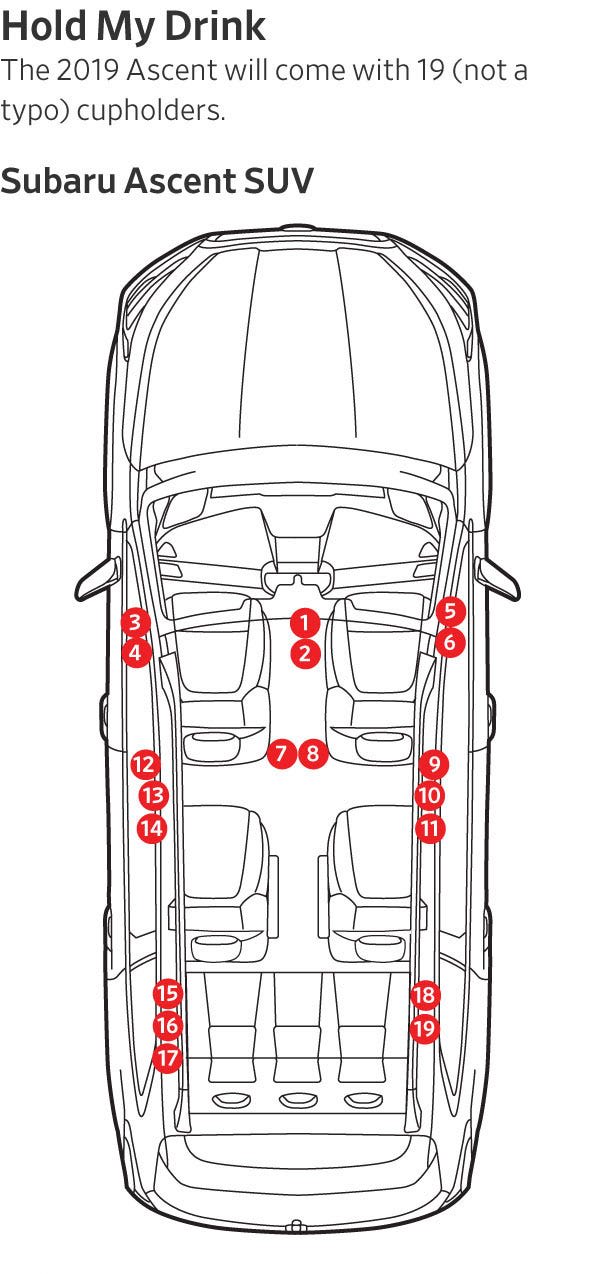
Cars did not have cup holders. This is a car, for goodness sake, not a cafeteria. If you want to drink or eat, stop the car, go to the restaurant and order yourself something to eat. If it’s not breakfast, lunch or dinner, then why the hell are you eating? Are you hungry or just bored?
You didn’t eat in front of the TV. You didn’t eat in front of your computer. You ate at a table a meal that was properly cooked. But it doesn’t take any willpower to do this. It is just a matter of fixing the default. You need to fix the environment, which is a lot easier than fixing the person. If you set the default to ‘not eating’, then it takes willpower to eat. You can go get a snack anytime you want, but it’s not sitting in front of you as you have your meeting. Because you’ll be busy with your meeting, it will be very difficult to eat, instead of being very difficult to ‘not eat’ — ie. ignore the tempting cookie in front of your watering mouth as the appetizing aroma of coffee pervades the room. If you fix the default, then weight loss will become automatic. Intermittent fasting, of course, sets the default to ‘not eating’ and helps people lose weight.
Practical Changes
So here’s some simple, practical things calls to action. If you are an office manager, then you have the ability to make these changes. If not, ask your office manager to implement these changes for the reasons detailed.
No food at meetings. If you want to eat, you go to the cafeteria. This is an office, where we work. Having food in the office is unfair to those people trying to lose weight. It is unhealthy for those with obesity related health issues to tempt them to eat
No cakes or other food for celebrations in the office. Reasons same as above. People are free to celebrate after work as much as they like, and eat whatever they wish. In the office, we cannot condone unhealthy eating behavior in the middle of the day.
No bowls of candy on desks. Eating candy is not appropriate office behavior. Tempting co-workers to eat unhealthy food is unconscionable.
No cookies or donuts or other snack items in the office area. That is what the cafeteria is for.
Bring back the water cooler. There should be no table where people will leave treats for others. People may aggregate at the water cooler to talk about the latest gossip.
See video - Controlling the Body’s Fat Thermostat
Perhaps this return to 1970s etiquette sounds unreasonable. But if 70% of Americans are overweight or obese, doesn’t it make sense to make weight loss as automatic as possible? We’re all in this together, so let’s help each other out a little. Just a bit.
Dr. Jason Fung

Online Fasting Community and Coaching
For more, check out my YouTube channel, online community and coaching programs at TheFastingMethod.com and my Website & Books
I agree with everything you said, EXCEPT I grew up in the 60’s and 70’s, and there WAS such a thing as a TV dinner sold to do exactly that, eat in front of the TV.
This is so accurate, In the magical 70's we'd be starving but there was NO ACCESS to food or snacks. We got food at home or at a store. A 6oz coke and some chips after school was not daily as parents didn't give us money for that very often.